

The best time to replace an AC in Houston is late fall through early spring, roughly November to March, before it fails. The weather is mild, so a day without cooling is no problem, and you have time to compare options instead of making a rushed decision in a hot house. If your system is around 15 years old or needs more repairs every summer, plan the replacement for this winter.
On this page
- Why winter is the best time to replace an AC here
- How hot it gets when an AC fails
- Should you replace your AC before summer?
- How long does an AC last in Houston?
- Signs your AC won’t make it another summer
- Is it cheaper to replace your AC in winter?
- How to decide if it can survive another summer
- Should you replace your AC and furnace together?
- What replacing an AC involves, and how long it takes
- Can a new AC lower your energy bills?
- What to ask before you replace your AC
- Winter AC replacement checklist
- Where we work
- What Houston homeowners say
- Frequently asked questions
Why winter is the best time to replace an AC in Houston
An AC is most likely to quit when it’s working hardest. In Houston, that’s July and August. If you see it coming, you don’t have to replace it then.
If you already know your system is near the end, winter is the best time to buy an air conditioner and have it installed. Here’s why:
- No emergency. When it’s 65 degrees outside, the house is comfortable without cooling. Nobody is sweating through the night while they wait.
- Time to compare. You can get written options, read them, ask questions and decide without pressure.
- Easier scheduling. Summer is when AC companies are busiest. In winter, it’s easier to get the day that works for you.
- Room to fix the rest. Ducts, drainage and electrical can be handled while the old system is out, instead of being skipped to get the cold air back on.
- Ready before summer. A new system installed this winter has the whole spring to show any problems before the first 95-degree day.
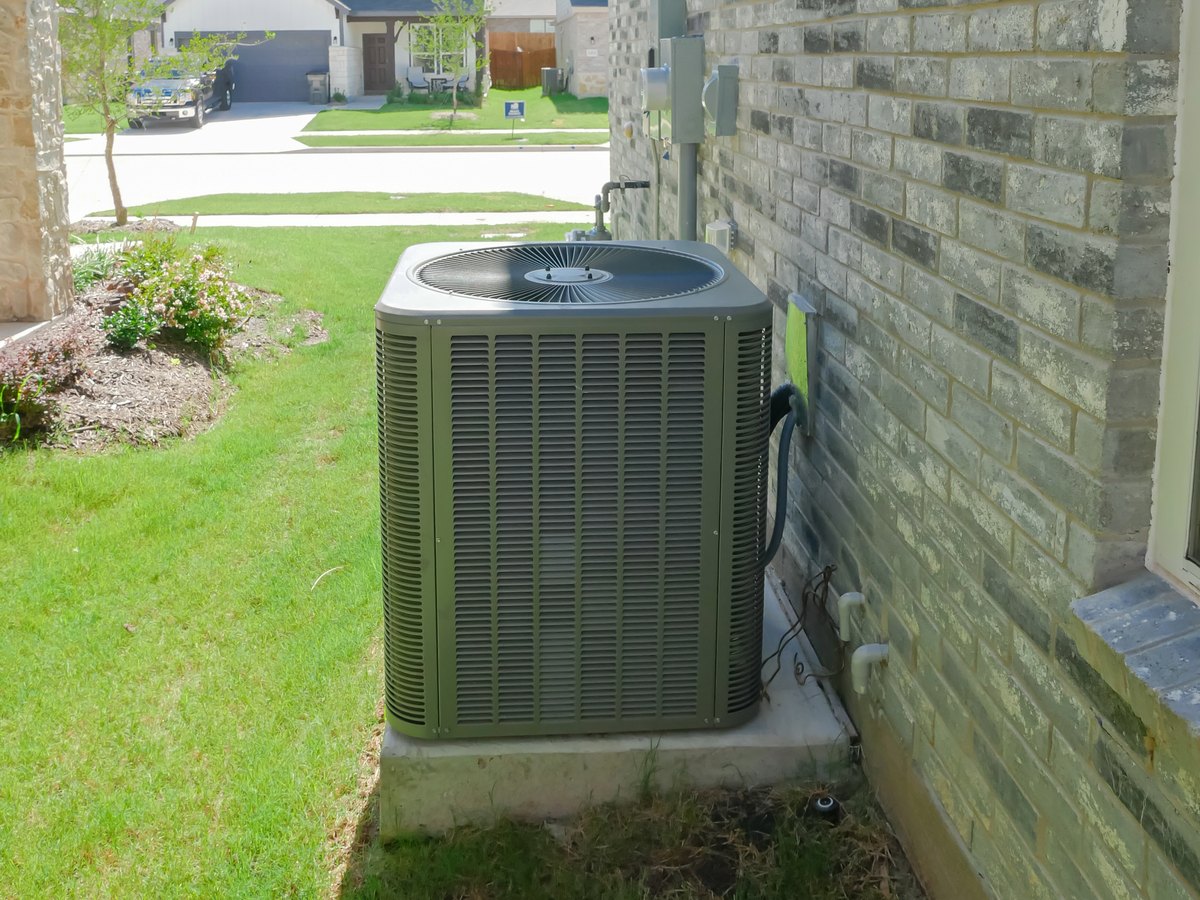
How the seasons compare
| Season | Houston weather | Advantages | Drawbacks |
|---|---|---|---|
| Winter (December to February) | Most days stay under 80 degrees. No 90-degree days in ten years. | Mild weather, more time to plan and easier scheduling. | Your heat may be off for part of the install day. |
| Spring (March to May) | Mild in March and April. May averages about 9 days at 90 or more. | The new system is in before the heat. | Demand picks up as summer gets closer. |
| Summer (June to September) | About 21 to 28 days a month at 90 or more. | Sometimes there’s no choice, if the system fails. | Heat, urgency, the busiest season and less flexibility. |
| Fall (October and November) | October still averages about 8 days at 90 or more. November has none. | Cooling demand drops, and there’s time to get options. | Early fall can still be very hot. |
November through March is the best window for planning. But if your system needs replacing now, don’t put it off just to wait for a certain month.
Our AC installation and replacement page says it plainly: the cheapest time to replace is before it fails.
How hot it gets when an AC fails in Houston
To show how big the difference is between summer and winter here, we went through ten years of daily National Weather Service highs at Bush Intercontinental Airport.
Houston averages about 118 days a year at 90 degrees or hotter. Almost all of them fall between May and October, and July and August average about 28 each. From November through February, there wasn’t a single 90-degree day in ten years.
An AC that fails in August is an emergency. The same replacement in January is just an appointment.
How we measured this: we used the daily high temperature recorded by the National Weather Service station at Bush Intercontinental Airport (IAH) for every day from January 1, 2016, through December 31, 2025. That’s 3,653 days, with none missing. For each month, we counted the days with a high of 90 degrees or more, and the days with a high under 80, and divided by ten to get the average for each month. The 118-day yearly figure is the sum of those monthly averages. The readings come from the Iowa Environmental Mesonet archive.
Winter gives you weeks of mild days
Most winter days in Houston don’t need cooling
Average days per month with a high under 80 degrees. National Weather Service daily readings at Bush Intercontinental Airport, 2016 to 2025, from the Iowa Environmental Mesonet.
December and January average 26 and 30 days under 80 degrees. Even November and March average 20 and 19.
Pick any of those days, and the house stays comfortable while the old system comes out and the new one goes in.
Should you replace your AC before summer?
Yes, if it’s near the end. Winter is best, but spring and fall work too, as long as you don’t cut it close. October still averages about 8 days at 90 degrees or more, and May averages about 9. By June, it’s 24.
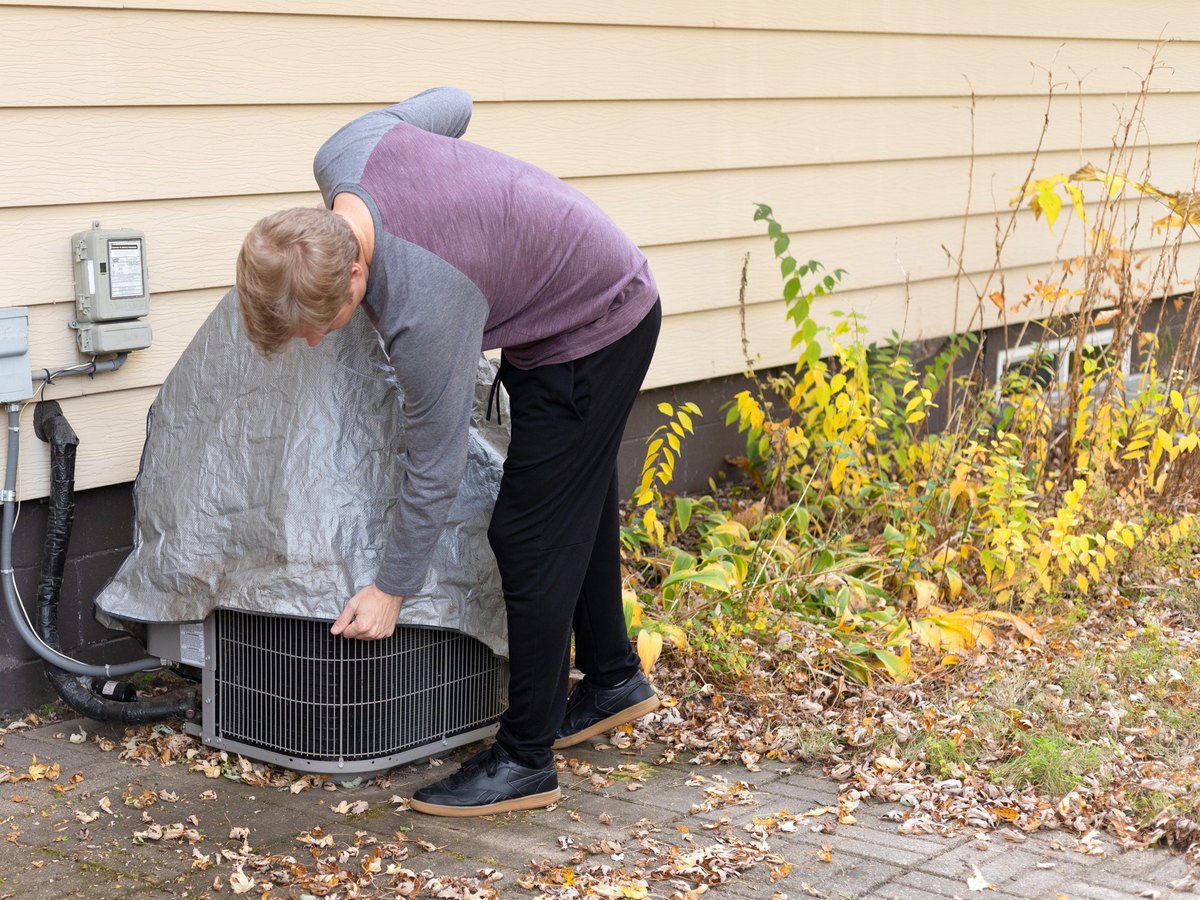
So the best time of year to replace HVAC equipment in Houston runs from about November into April. If you’re thinking about it in March, don’t wait for the first hot week of May to call. By then, you’re planning around the heat again.
When to plan, get options and install
| When | What to do |
|---|---|
| September and October | If the system struggled this summer, book a maintenance visit and ask whether it has another summer in it. |
| November and December | Get options in writing. Decide on the AC, the furnace and the ducts while there’s no rush. |
| January and February | Have it installed on a mild day. |
| March and April | The last easy window before the heat. Don’t wait past it. |
| May through August | You’re planning around the heat. If the system fails, it becomes an emergency replacement. |
How long does an AC last in Houston?
Less than the label suggests. An AC here runs many more hours a year than the same system would up north, so it wears out sooner. Fifteen years is a realistic point to start planning, not a hard limit. A well-maintained system can outlast a neglected one by years.
| System age | What it usually means | What to do |
|---|---|---|
| Under 10 years | Most problems are worth repairing. Some parts may still be under warranty. | Keep up the maintenance and repair what breaks. |
| 10 to 15 years | Small repairs still make sense. A failed compressor or a leaking coil is a real decision. | Repair what’s small. Weigh the big repairs against replacing. |
| 15 years or more | More parts of the same age are wearing out together. | Get it checked in the fall and plan the replacement for winter. |
Our guide to repairing or replacing an AC goes deeper on the decision.
Signs your AC won’t make it another Houston summer
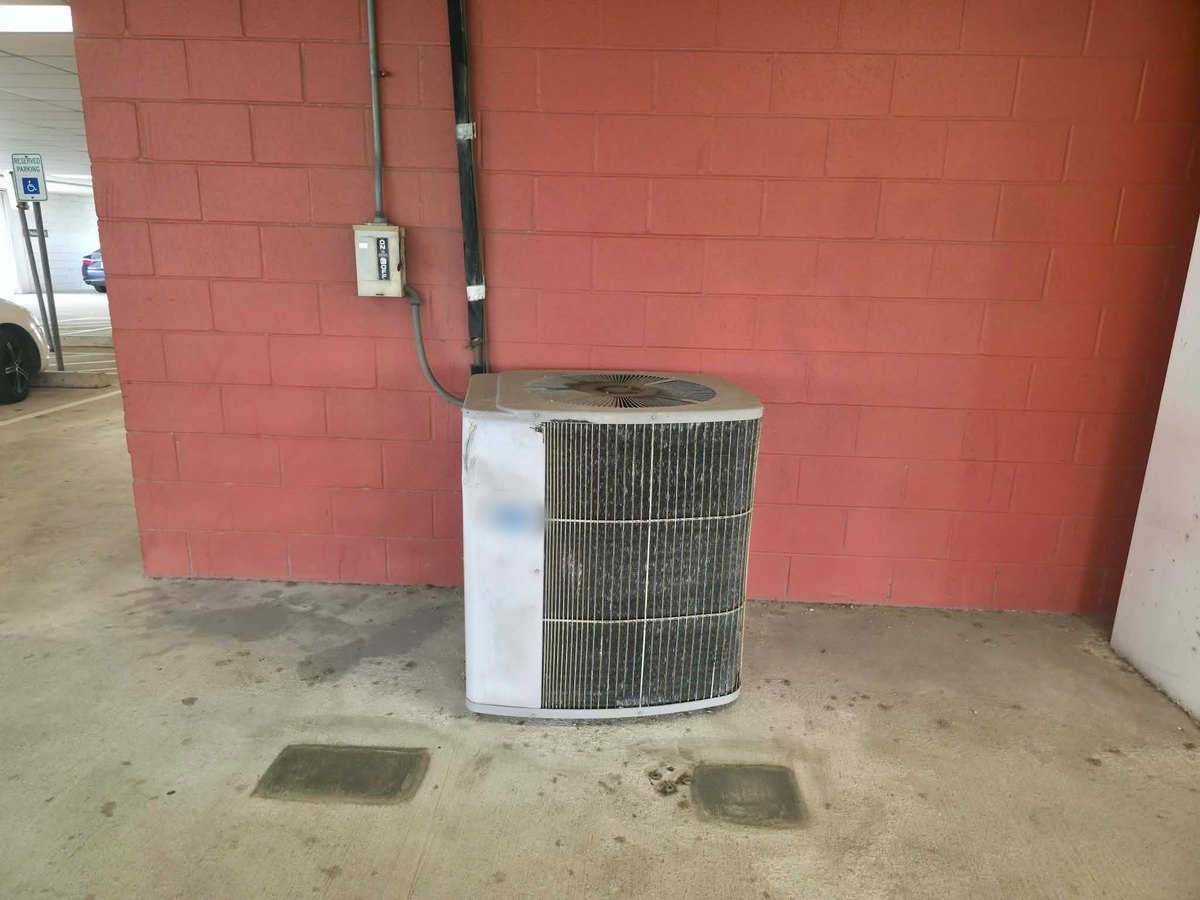
The point of a winter replacement is to make the decision before the system makes it for you. These are the signs we look for:
| What you notice | What it can mean |
|---|---|
| It’s around 15 years old | Houston systems run more hours than systems up north. Fifteen years is a good point to start planning. |
| Repairs every summer | More parts of the same age are likely to fail next. |
| A failed compressor | One of the biggest repairs on an AC. On an older system, it’s a real repair-or-replace decision. |
| A refrigerant leak that keeps coming back | Topping it off doesn’t fix the leak. On an older system, finding and repairing it may not be worth it. |
| It can’t keep up on hot afternoons | The system may be worn out, or it may be a duct or airflow problem. Have it checked before you decide. |
| Higher bills with no change in use | Worn parts and a dirty coil can make the system run longer for the same comfort. |
None of these on its own means you need a new system. A capacitor or a contactor is a repair at almost any age. Our guide to AC repair or replacement walks through the decision, and our Houston maintenance schedule helps keep the system you have running in the meantime.
If your system cools unevenly, start with our post on why upstairs is hotter than downstairs. Sometimes the fix is in the ducts, not the equipment.
Is it cheaper to replace your AC in winter?
Don’t count on a winter discount. Where winter saves you money is in avoiding an emergency replacement. Running an old system until it quits can feel like the thrifty choice. Usually it isn’t.
- You pay for repairs you didn’t need. Money spent keeping a worn-out system alive one more summer is money that doesn’t go toward the new one.
- You decide in a hurry. With the house at 85 degrees, most people take the first option they’re offered. That’s not the time to compare equipment.
- The house gets hot. In July, a house without AC can get hot fast. Our post on how hot is too hot inside explains when that becomes a health risk.
- The extras get skipped. Duct repairs, a new drain line or electrical work are easy to put off when the priority is getting cold air back.
Here’s how it often plays out. A 16-year-old system needs a new compressor in late July. The house is hot, and the choice is a big repair on an old system or a replacement that same week. Found during a maintenance visit in November, the same system gives you the whole winter to get options, decide and schedule the work.
If your AC does fail on a hot day, call us. Our emergency AC repair page explains what happens next, and our guide to what counts as an HVAC emergency helps you decide whether it can wait until morning.
How to decide whether your AC can survive another Houston summer
Signs tell you something’s wrong. These steps help you decide what to do about it:
- Start with the age. Under 10 years, usually repair it. Past 15, start planning. In between, it depends on what failed.
- Weigh the repair against the system. A capacitor or a contactor is a repair at almost any age. A failed compressor or a leaking coil on an older system means spending a big share of a new system on equipment whose other parts are just as old.
- Don’t judge it in March. A system that keeps up on an 80-degree day has to handle 95 degrees in August, and Houston averages about 118 days a year at 90 or more. If it barely kept up last summer, it’s likely to struggle again.
- Look at the pattern. Repairs every summer, a house that feels humid even with the AC running, and bills that keep climbing with no change in how you use it all point the same way.
- Get it inspected. Plenty of systems we’re asked to replace can be repaired for a fraction of the cost. An inspection tells you whether yours is one of them.
Should you replace your AC and furnace at the same time?
Often, yes, if they’re about the same age. In most Houston homes with a gas furnace, the AC’s indoor coil is attached to the furnace, and the furnace blower moves the air for both heating and cooling.
Replacing both together makes sense when:
- The furnace is as old as the AC, so it’s likely to need replacing in the next few years anyway.
- You want the new equipment designed to work together, so the blower and the coil are matched.
- The ducts, drain and electrical need work, and doing it once is easier than doing it twice.
If the furnace is much newer and in good shape, keeping it can be the right call. A technician needs to check that its blower can move enough air for the new AC. Our heater installation and replacement page covers the heating side, and if you’re weighing a heat pump instead, see our heat pump vs. AC guide.
What replacing an AC in Houston involves, and how long it takes
A proper replacement is more than swapping the outdoor unit. Here’s what the job looks like:
- We look at the house. The equipment, the ductwork, the attic access, the electrical and the drainage. Two houses on the same street can need different jobs.
- We size it to the house. Bigger isn’t better on the Gulf Coast. An oversized system cools fast, shuts off and leaves the house cold and clammy.
- You get options in writing. Usually more than one, so you can see what the extra spend buys you.
- You choose the equipment. An AC or a heat pump, and whether the furnace or air handler gets replaced too. Indoor and outdoor equipment should be a matched pair.
- We install it. The old equipment comes out, the new system goes in, and the refrigerant lines, drain and electrical are connected. A replacement is also the right time to bring the drain line and float switch up to date.
- We test it. At startup we measure the refrigerant charge, airflow and temperature split, so you know it’s working as it should.
How long it takes depends on the job. We’ll tell you when we give you options, and we’ll plan it for a mild day. What changes the timing:
- How much is being replaced. An outdoor unit and indoor coil is a smaller job than a full system with a new furnace or air handler.
- Attic access. In most Houston homes, the indoor equipment is in the attic. A tight attic or a narrow opening takes longer.
- Ductwork. Repairing leaks or resizing ducts adds time, and it’s easiest to do while the old system is out.
- Electrical and drainage. A new disconnect, breaker or drain line can be part of the job.
Can replacing your AC before summer lower your energy bills?
It can, but how much depends on the old system, the house and how you use it, so no one can give you a reliable number without seeing it. What makes the difference:
- Efficiency. A new system is rated in SEER2, shown on its yellow EnergyGuide label. A higher rating uses less electricity for the same cooling.
- Sizing. A system sized to the house runs long, steady cycles. An oversized one turns on and off all day, which wastes energy and wears it out.
- Ducts. Leaky ducts in a hot attic lose cooled air before it reaches the rooms. A new system on bad ducts won’t deliver what it’s rated for.
- Humidity. Drier air feels cooler, so a system that controls humidity well may let you set the thermostat a little higher.
Installing it before summer means you get the benefit for the whole cooling season, not just what’s left of it.
What to ask an HVAC contractor before you replace your AC
Whoever you call, these questions tell you a lot about the job you’ll get:
- How did you size the system? The answer should be based on the house, not just the size of the old unit.
- Will you check the ductwork? And what needs to change, if anything.
- What does the written estimate include? Removing the old equipment, the drain line, electrical work and any duct repairs.
- What warranty comes with it? Ask what covers the equipment and what covers the labor, and for how long.
- What refrigerant does it use? New systems use newer refrigerants.
- Is financing available, and when can you install it? Get an actual date, not just a season.
Winter AC replacement checklist
If you think this is your system’s last winter, here’s how to use it:
- Have it looked at. A maintenance visit tells you what shape the system is in. If you’re already due for a heating check, ask about the AC side at the same visit.
- Get options in writing. We come out, look at the equipment, the ductwork, the attic access and the electrical, then give you options in writing. We don’t quote over the phone, because those things change the job.
- Ask about the ducts. A new system on leaking or undersized ducts won’t deliver what it’s rated for. Winter is the easiest time to fix them, and a good time to look at attic insulation too.
- Decide about the furnace. If it’s as old as the AC, get options for both.
- Ask about financing. Financing is available subject to approved credit.
- Pick a mild day. Your heating and cooling usually share the same blower, so the whole system is off while the work is done.
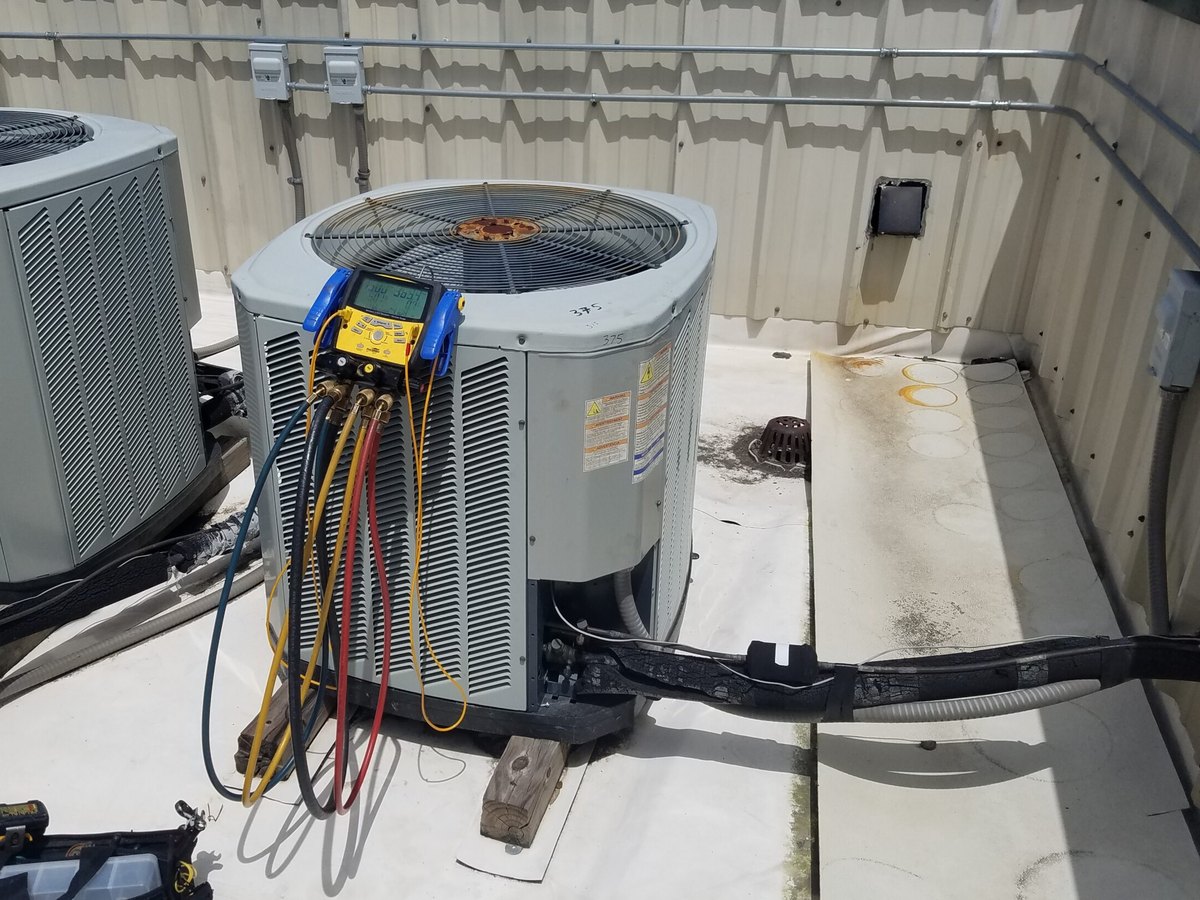
Thinking about a heat pump instead of a standard AC? Our heat pumps page covers what we install.
Where we work
Castle is based in Fulshear and covers southwest Houston, Fort Bend County, the Bay Area and the Gulf Coast. Here are some of the communities we serve most often.
What Houston homeowners say
Real homeowners, real service
Houston homeowners keep asking for our technicians by name.
Google Reviews
4.9
★★★★★
Based on 205 reviews
Frequently asked questions
Timing
When is the best time to replace an AC in Houston?
Late fall through early spring, roughly November to March. The weather is mild, so a day without cooling is no hardship, and you have time to compare options before summer. The worst time is when it fails in July or August.
Is it cheaper to replace an AC in winter?
The savings come from not replacing it in an emergency. When you plan ahead, you’re not paying for one more repair on a system you’re about to replace, and you have time to compare written options instead of taking the first one you can get.
What is the cheapest month to buy a new air conditioner?
No single month comes with a guaranteed lower price. In Houston, the months that save you the most are November through March, because you’re far less likely to be replacing a failed system in a hurry.
Is it better to replace an AC in fall or spring?
Fall, if you can. Once the heat breaks in November, you have the whole winter to plan. In spring the window closes fast. May already averages about 9 days at 90 degrees or more.
Can you replace an AC in the winter?
Yes. Replacements are done year-round in Houston. At startup we measure the refrigerant charge, airflow and temperature split, so you know the new system is working as it should.
Will I be without heat while my AC is replaced?
Possibly for part of the day. Your heating and cooling usually share the same blower and ductwork, so the system is off while the work is done. If you have a heat pump, it’s your heat too. That’s one more reason to pick a mild day, and we’ll plan the work around the weather.
Your old system and the new one
How old is too old for an AC in Houston?
Fifteen years is a good point to start planning. Systems here run many more hours a year than they would up north, so they wear out sooner. Age alone doesn’t decide it. What failed and how long you’re staying in the house matter too.
Should I replace my 20-year-old AC if it still works?
Not just because of its age. If it still cools the house and hasn’t needed big repairs, maintenance can keep it going. But at 20 years, plan for the end. A system that old may use R-22, a refrigerant that’s no longer made, which makes refrigerant repairs harder. Have it checked this winter so a summer breakdown doesn’t make the decision for you.
Can you replace just the outside AC unit?
Sometimes, but usually not on an older system. The outdoor unit and the indoor coil are designed to work as a matched pair, and new systems use different refrigerants than older ones. A technician has to check whether your indoor coil and refrigerant lines will work with the new outdoor unit before you decide.
Should I replace my AC before selling my house?
It depends on the system’s age and condition. A buyer’s inspection will look at it either way. If you’re not sure where it stands, have it inspected before you list, so you can decide whether to repair it, replace it or leave it as it is.
Does a new AC help reduce humidity in Houston?
A properly sized one can. An AC pulls moisture out of the air as it cools, and it does that best on long, steady runs. An oversized system cools the house fast, shuts off and leaves the air clammy. Our guide to humidity control thermostats covers what else helps.
Do new AC systems use a different refrigerant?
Yes. Since January 1, 2025, the EPA has limited new home AC and heat pump systems to lower global warming potential refrigerants. New systems now use refrigerants like R-454B or R-32. Ask what yours uses when you compare options.
Paying for it
Is there still a federal tax credit for a new AC?
Not for a 2026 installation. The IRS says the Energy Efficient Home Improvement Credit covered improvements made through December 31, 2025.
Do you offer financing on a new AC?
Yes, subject to approved credit. It’s worth asking about before you decide what to install, not after.
AC installation and replacement — what we check before we recommend a new system, and why we don’t quote over the phone.
Think this is your AC’s last winter? Call or text (713) 667-7606 and we’ll come out, take a look and give you options in writing.